
Wimbledon's $555 Million Commercial Scale and What It Means for the Betting Market
 Available in US
Wimbledon generated approximately $555 million in revenue in 2024. That figure places it among the most commercially significant annual sporting events in the world — ahead of almost every non-World-Cup, non-Olympics equivalent. But the relevance of this number to a UK bettor is not immediately obvious, and it is worth spelling out precisely. Wimbledon’s commercial scale drives three things that directly determine the quality of the betting market available to you: the depth of market coverage operators provide, the competitiveness of their pricing, and the liquidity of in-play markets throughout the fortnight. Understanding the commercial architecture behind the tournament is understanding why Wimbledon is the best-resourced betting event in the UK tennis calendar and what that means in practice.
The £44 Million BBC Deal: How TV Reach Fuels Betting Interest
The BBC’s deal to broadcast Wimbledon runs to 2027 at a value of £44 million per year. This is one of the most consequential commercial relationships in UK sport, and its implications for the betting market are direct and measurable.
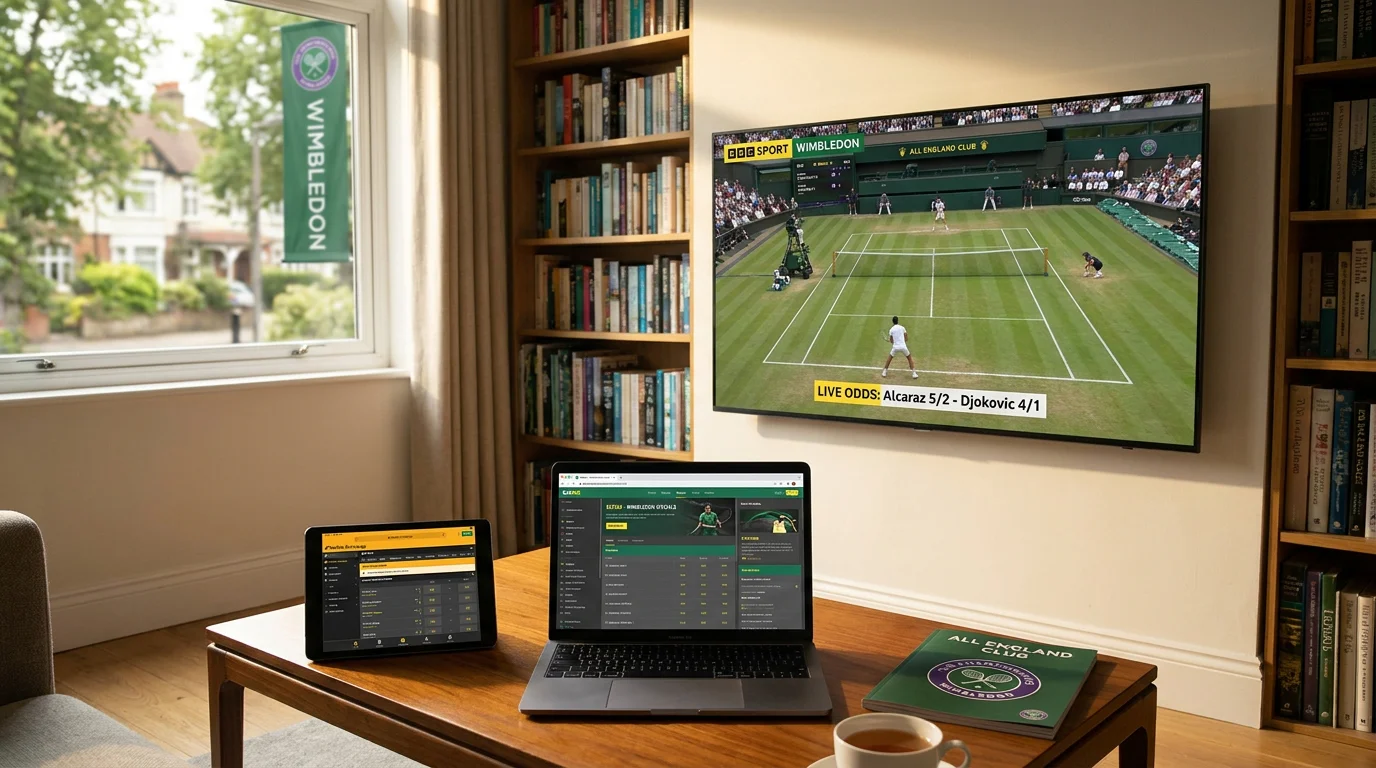
BBC broadcast of Wimbledon means free-to-air coverage of Centre Court and Court One throughout the fortnight, available to every household in the UK without a subscription requirement. The peak audience for the most-watched Wimbledon matches reaches 7.5 million viewers on the BBC. That audience is the largest free-to-air tennis viewership in Europe. It is also the betting market’s primary audience — the people who watch Wimbledon live on the BBC are the same people placing bets at UK operators during and around those matches.
The betting-to-broadcast link is not coincidental. Broadcasting drives betting activity through three mechanisms: it creates familiarity with the players and narratives before betting decisions are made, it provides live visual information that makes in-play betting more accessible to a mass audience, and it sustains attention on the tournament across the full two weeks in a way that secondary media coverage alone cannot match. An event broadcast on a subscription service or covered only through digital highlights creates a thinner, later-joining audience. Wimbledon on the BBC creates a mass, present, engaged audience from the first ball — and that audience is the market.
The BBC deal’s continuity to 2027 provides betting operators with the commercial certainty they need to invest in Wimbledon-specific market development. Operators know that the audience will be there, consistently sized, across the next two years. That certainty incentivises investment in specialist tennis trading teams, dedicated promotional budgets for the Wimbledon fortnight, and deeper market coverage than speculative broadcast arrangements could sustain. The stability of the BBC relationship is therefore not merely a broadcast story — it is a market infrastructure story.
Wimbledon’s 17 Sponsor Deals and Their Betting Market Effect
Wimbledon’s $124.7 million in sponsorship income from 17 commercial deals in 2024 is the highest among the four Grand Slams. This sponsorship ecosystem has indirect but real effects on the quality of the betting market surrounding the tournament.
High sponsorship income reflects the brand value of association with Wimbledon — the confidence of major global brands that their investment at SW19 delivers commercial return. That confidence is itself a signal about audience quality and reach. The sponsors include financial services, automotive, luxury goods, and technology companies whose typical marketing profiles align with a financially active adult audience. The same demographic that attracts these sponsors is the demographic that holds betting accounts and places wagers.
More practically: the visibility of Wimbledon through sponsor-funded media activations — advertising, digital content, experiential marketing — maintains awareness of the tournament across the UK adult population well beyond the two weeks of play. The pre-tournament media presence generates ante-post betting activity in the weeks before the draw, which in turn requires operators to price and maintain outright markets earlier and with more depth than they would for a less commercially prominent event. The sponsorship machine that surrounds Wimbledon is part of the ecosystem that keeps the betting market active for six to eight weeks around the tournament, not just the fortnight itself.
The 17-deal structure also distributes the commercial investment across multiple sectors, which means Wimbledon retains brand alignment across different audience segments simultaneously. A tournament that relies on sponsorship from a single sector — say, financial services only — would reach a narrower audience profile. The breadth of Wimbledon’s sponsorship base reflects and reinforces its cross-demographic reach, which is precisely the breadth that produces a mass betting audience.
Commercial Scale to Market Liquidity: The Bookmaker Incentive
Wimbledon’s total market value is estimated at $1.2 billion — a figure that captures the full commercial worth of the event including broadcasting rights, sponsorship, prize money commitments, and associated revenue streams. For UK betting operators, this commercial scale creates a direct competitive incentive that benefits bettors.

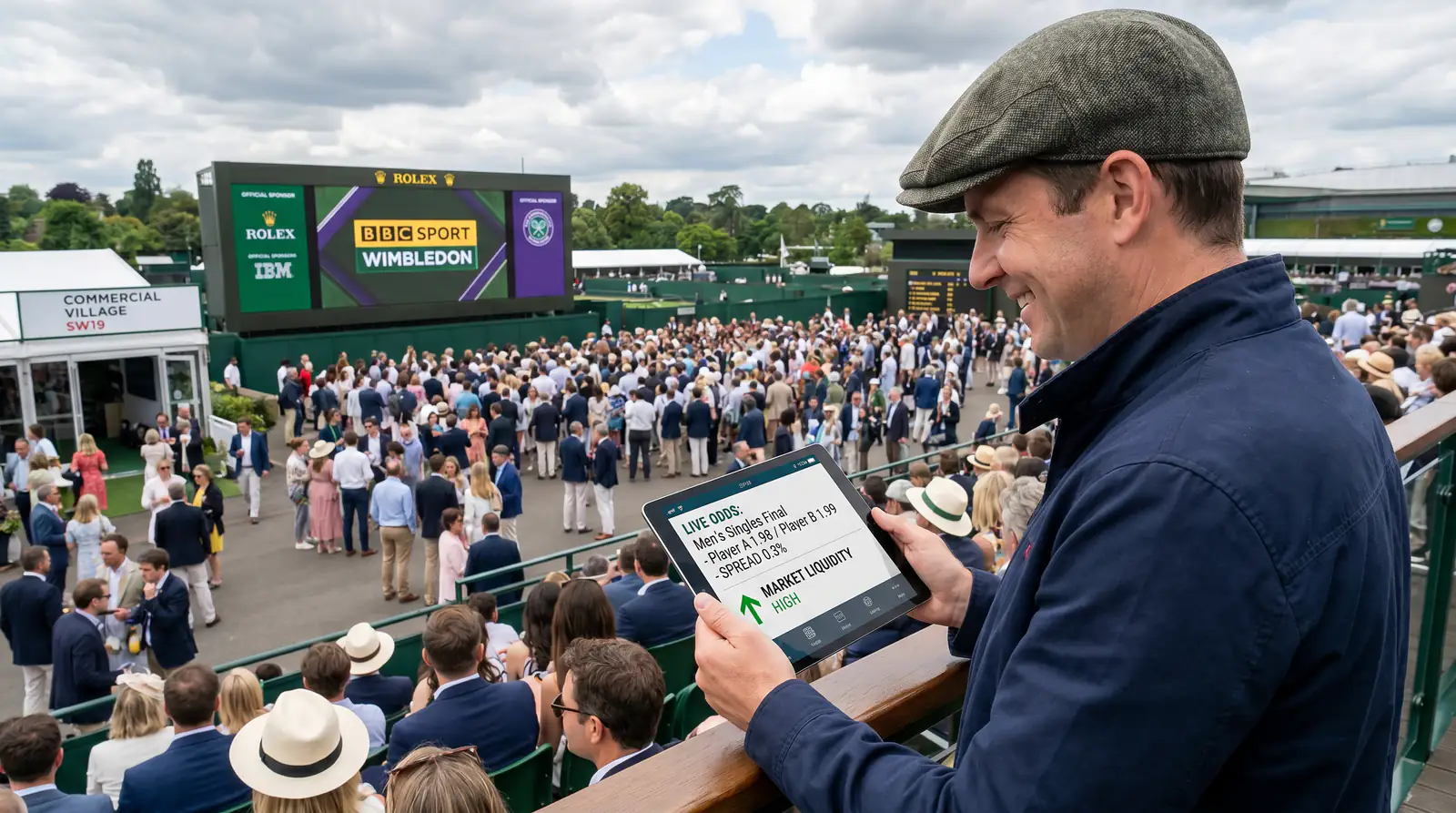
When a sporting event is worth $1.2 billion commercially, operators cannot afford to offer inferior markets. Every major UK bookmaker — and most minor ones — knows that the customers betting on Wimbledon are also comparing their offering against competitors. The fortnight produces a period of intense operator competition: enhanced odds, accumulator promotions, free bet offers, and in-play margin reductions are all deployed more aggressively during Wimbledon than at comparable tennis events, precisely because the audience size and media visibility make customer acquisition and retention decisions more commercially consequential.
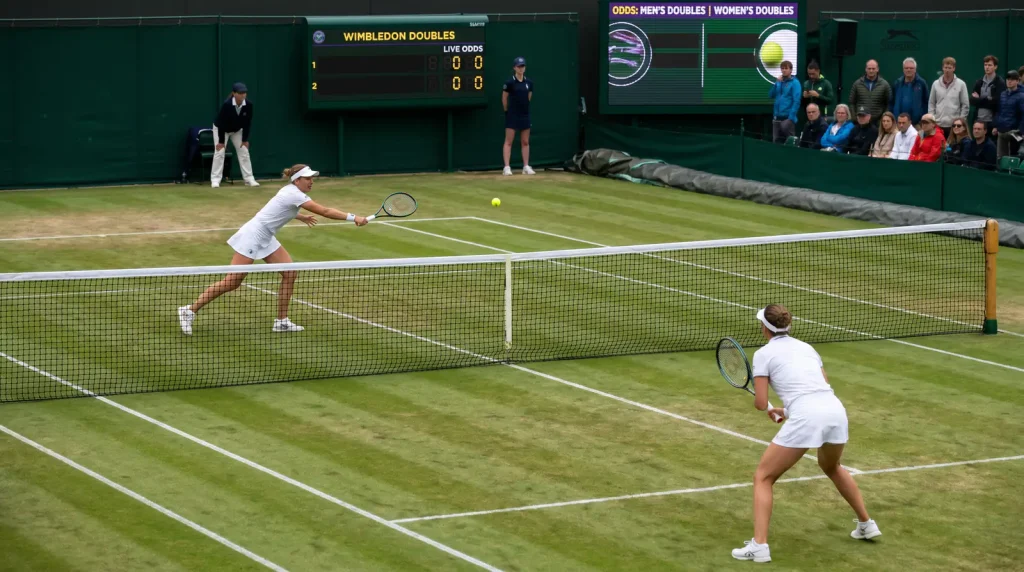
The result for the individual bettor is a better market than you would find at the ATP 1000 level or below. Match odds are priced more tightly — lower overround — during Wimbledon than during standard tour events. More secondary markets are available: game totals, set handicaps, first-set betting, player specials. In-play markets are updated more frequently and by more specialist traders. The depth of coverage means that even unusual markets — tiebreak propositions, first-to-five games — are available at multiple operators rather than at just one or two.
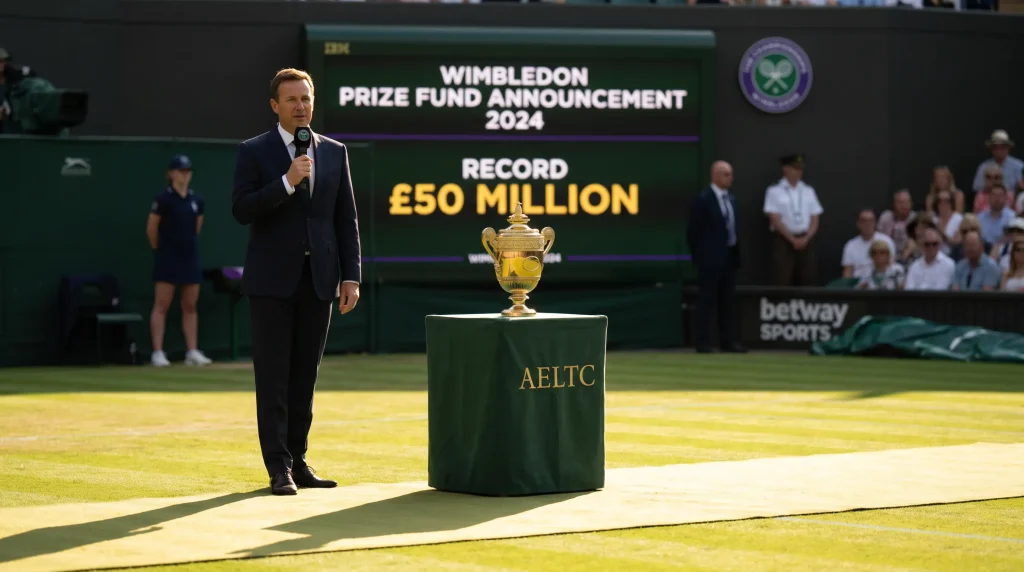
Deborah Jeavons, AELTC chairman, described the interest in the tournament as representing “unprecedented demand” across ticketing and corporate hospitality, which is consistent with the commercial picture. When demand for the live event is at a historic high, the media and betting ecosystem surrounding it scales proportionately. The commercial scale of Wimbledon is not a background fact — it is the mechanism that funds the market quality available to every UK bettor during the fortnight.
For the full context of how Wimbledon’s commercial weight sits within the broader UK sports betting market and what it means for tennis’s growing share of that market, the analysis is at UK sports betting market 2026: tennis’s place and Wimbledon’s commercial weight.
What This Means Before You Place a Bet
The practical synthesis is this: Wimbledon’s commercial infrastructure gives you a better market than almost any other tennis event you will encounter as a UK bettor. Better in the sense of tighter pricing, wider coverage, more active in-play, and more competitive promotional offers. That is the commercial scale translating directly into betting market quality.
The corollary is that this better market is also a more heavily watched market. Major operators invest precisely because they know sharp money participates at Wimbledon. The efficiency of the outright markets at Wimbledon — the difficulty of finding systematic mispricing in the top-ten selections — reflects the quality of the competitive pricing that commercial scale incentivises. The value opportunities that exist are specific and bounded: draw-path analysis, surface-adjusted form assessment, secondary market depth. The commercial infrastructure that makes the market deep also makes it harder to beat on the obvious selections. Understanding both sides of that equation is the correct preparation for betting at SW19.
Articles


Written by the editors at bettingonwimbledontennis.
