
GAMSTOP and Wimbledon Betting: How Self-Exclusion Affects UK Punters
 Available in US
GAMSTOP is the part of the UK gambling landscape that most bettors hope they will never need — and that some need urgently without fully understanding how it works. In the context of Wimbledon, where the combination of two weeks of continuous live sport and high-visibility BBC coverage creates particularly strong temptation for anyone managing their betting habits, the mechanics of self-exclusion and its practical effects are worth understanding clearly. The broader regulatory context has shifted significantly: from April 2025, a Statutory Gambling Levy applies across all UK operators at a rate that generates approximately £100 million per year for research, education and treatment of gambling harms. That institutional acknowledgement of harm risk makes an honest discussion of GAMSTOP not a footnote but a core part of responsible engagement with Wimbledon betting.
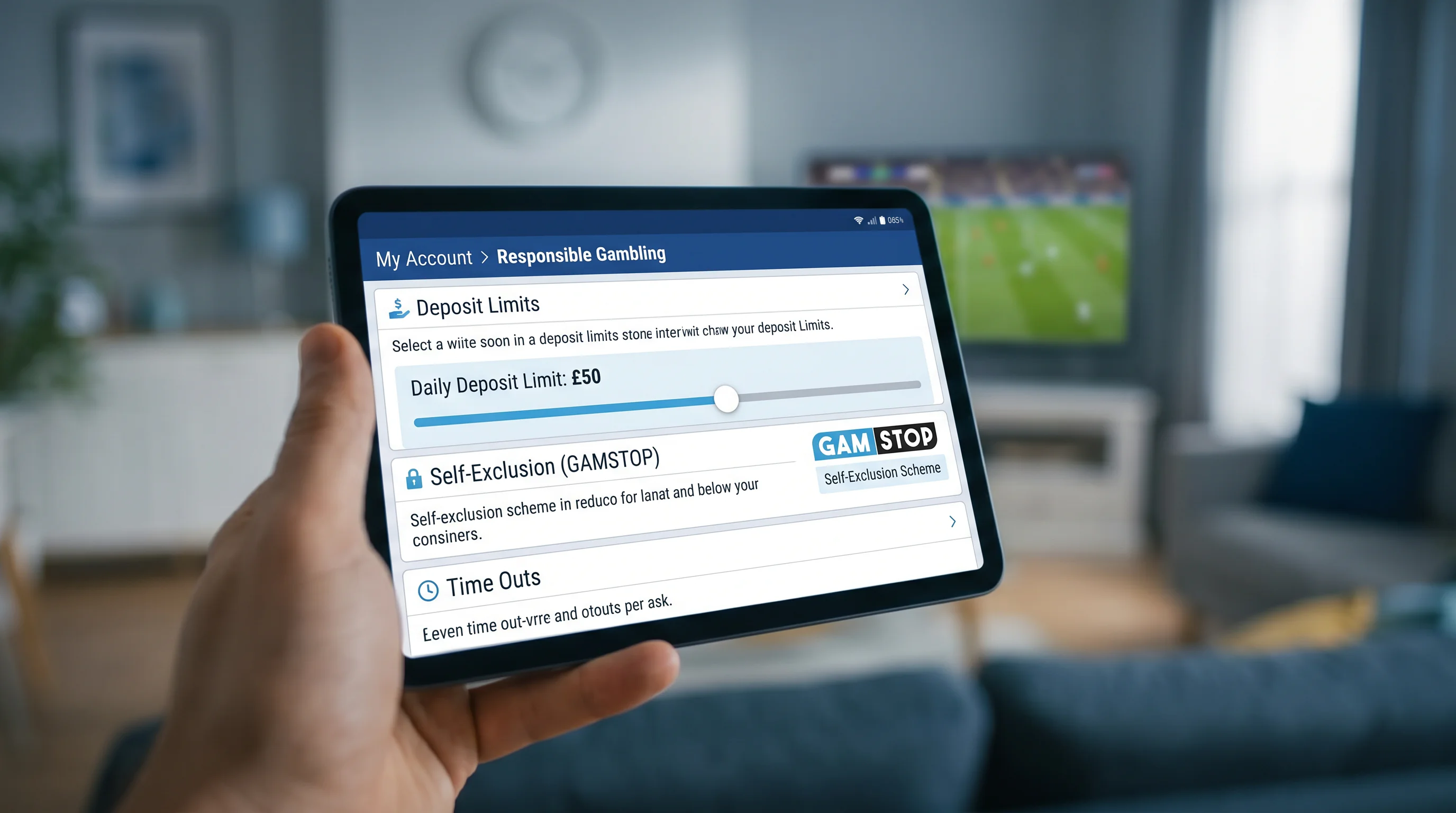
How GAMSTOP Self-Exclusion Works for UK Betting Accounts
GAMSTOP is a free self-exclusion service administered by the National Online Self-Exclusion Scheme Limited (NOSSL). When you register, you provide your personal details — name, date of birth, address, email address — and choose a self-exclusion period of six months, one year, or five years. Once registered, GAMSTOP shares your details with all UKGC-licensed online gambling operators in the UK, who are legally required to prevent you from creating new accounts or logging into existing accounts for the duration of your chosen period.
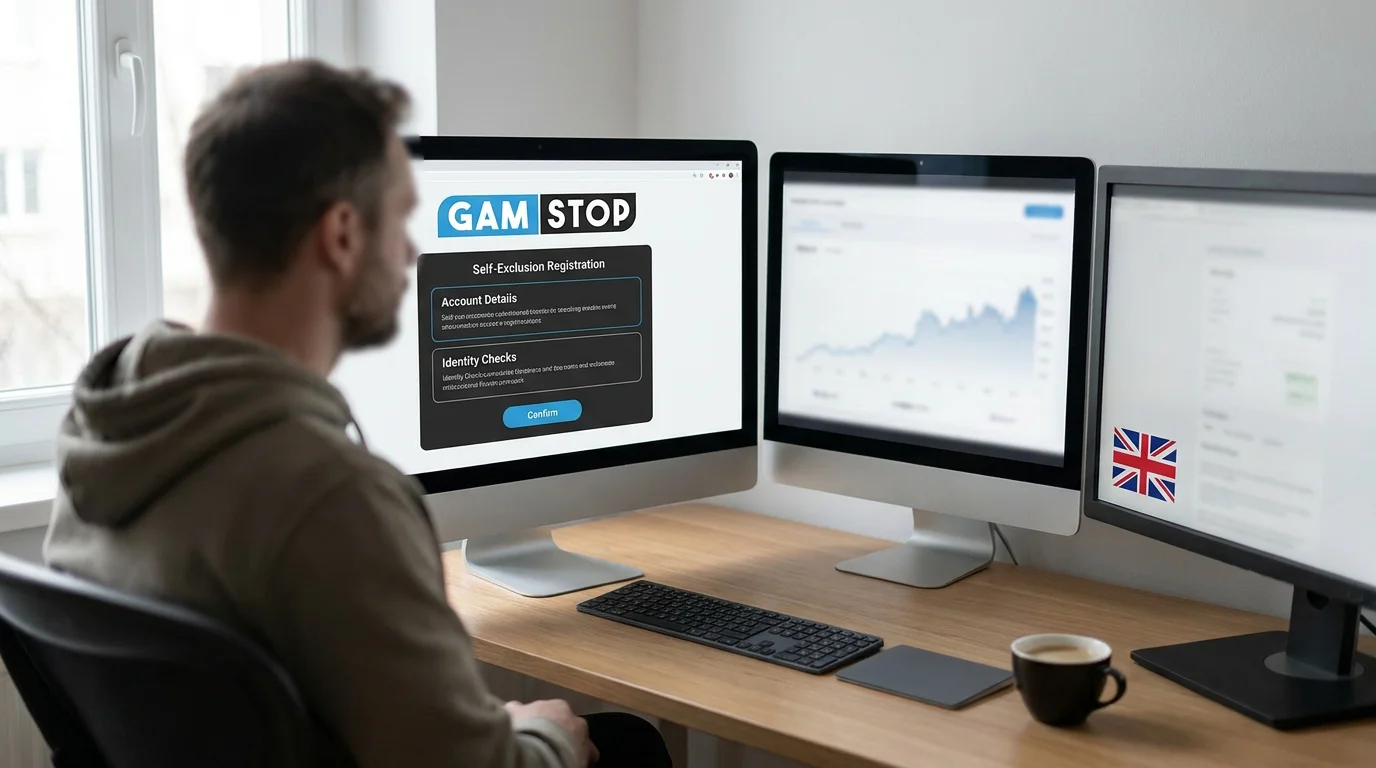
The practical effect is broad. It covers online sports betting, casino accounts, poker sites, bingo platforms, and any other UKGC-licensed online gambling activity. It is not limited to sports betting or Wimbledon specifically — if you register with GAMSTOP, it affects all licensed online gambling accounts simultaneously. GAMSTOP does not affect retail betting shops, National Lottery products, or unlicensed offshore operators, but these are outside the regulated UK market and come with their own significant caveats.
Registration through the GAMSTOP website typically takes around five minutes. Once submitted, GAMSTOP states that it shares your details with operators as quickly as possible, though the process of operators updating their systems means the exclusion may not take effect instantly across every platform — the expectation is 24 hours for most operators, though it can be faster. If you are in a situation where you need to stop gambling immediately, contact operators directly in addition to registering with GAMSTOP, as direct contact typically triggers faster account closure.
GAMSTOP also connects with the Multi-Operator Self-Exclusion Scheme (MOSES) used by retail betting shops, the National Self-Exclusion Register (NSER), and other industry-wide responsible gambling tools. The ecosystem of self-exclusion in the UK has become substantially more integrated since the 2025 regulatory changes, meaning that a GAMSTOP registration has wider reach than it did in earlier years of the scheme’s operation.
What GAMSTOP Exclusion Means for Your Wimbledon Betting Access
If you are registered on GAMSTOP during Wimbledon fortnight, you will be unable to place bets with any UKGC-licensed online operator. This covers every major UK bookmaker and betting exchange. You will not be able to log in to existing accounts, and any attempt to create a new account will be declined once the operator’s system cross-references your details against the GAMSTOP database.
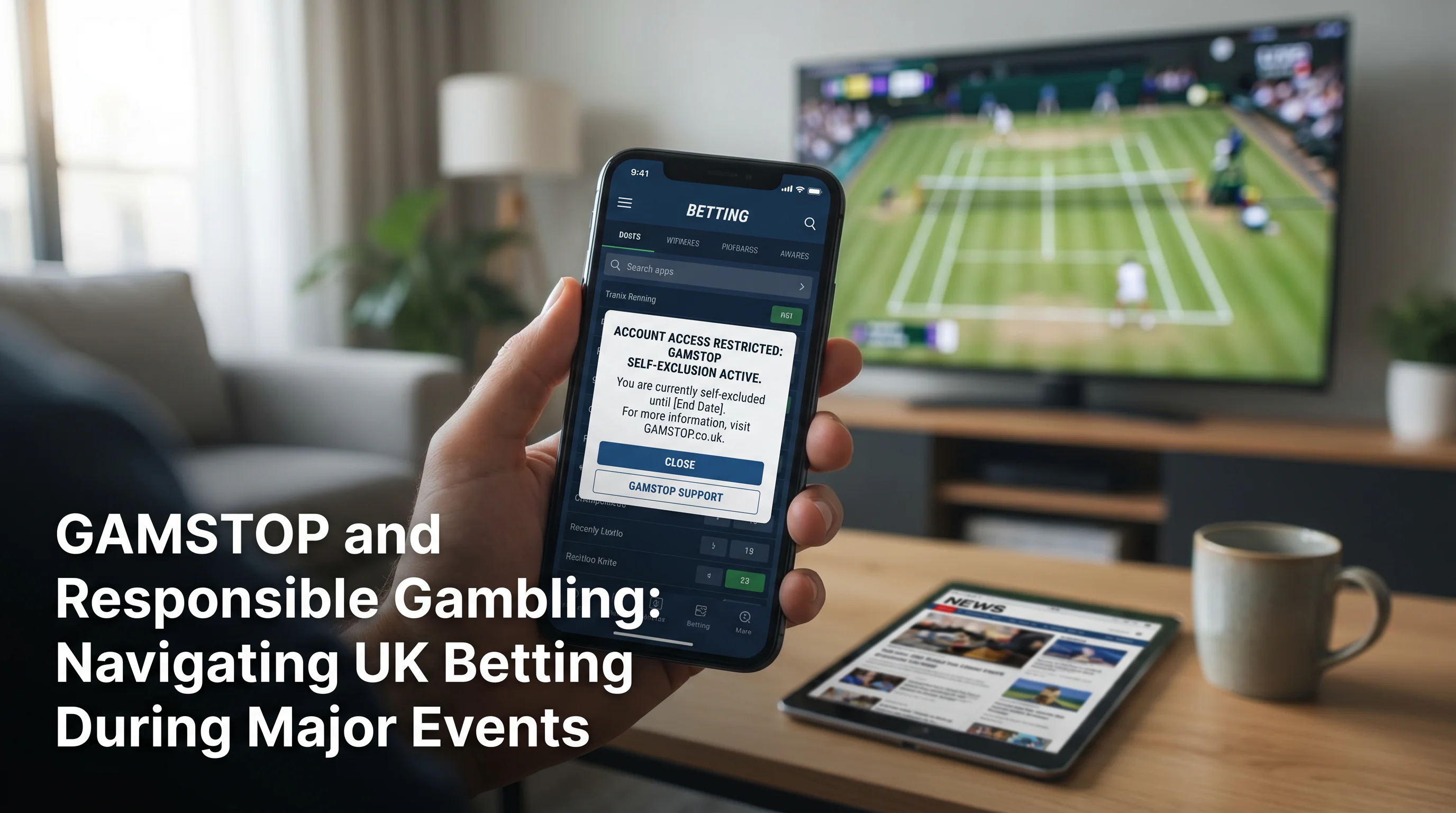
This is a comprehensive restriction that applies regardless of the specific market or event. You cannot selectively exclude yourself from casino products while retaining sports betting access — GAMSTOP is a total online exclusion from all licensed gambling, not a product-specific limit. This design reflects the evidence that problem gambling behaviour typically spans multiple gambling formats rather than being confined to one.
The implication for Wimbledon is straightforward: if GAMSTOP exclusion is active, the entire licensed online betting market for the tournament is inaccessible. This is, of course, the intended purpose of the scheme — and it is worth stating plainly that if self-exclusion is in place, it should be respected as the sound decision it was at the point of registration. The Wimbledon betting market will return the following year. The reasons that prompted GAMSTOP registration are not seasonal.
Around 47% of UK adults participated in some form of gambling in the four weeks to the most recent Gambling Commission survey period, which indicates the broad scale of the adult gambling population. Within that population, GAMSTOP serves the subset whose relationship with gambling requires a formal external constraint. Knowing the mechanism works as intended — and that UKGC-licensed operators are legally obligated to enforce it — should provide confidence to anyone who has registered that the restriction is genuine.
GAMSTOP Reactivation: Rules, Waiting Periods and What Happens Next
GAMSTOP self-exclusion runs for the minimum period chosen at registration — six months, one year, or five years. You cannot cancel or reduce the exclusion period once it has been set. Reactivation requires both the passage of the chosen minimum period and an active request to GAMSTOP to remove the exclusion.
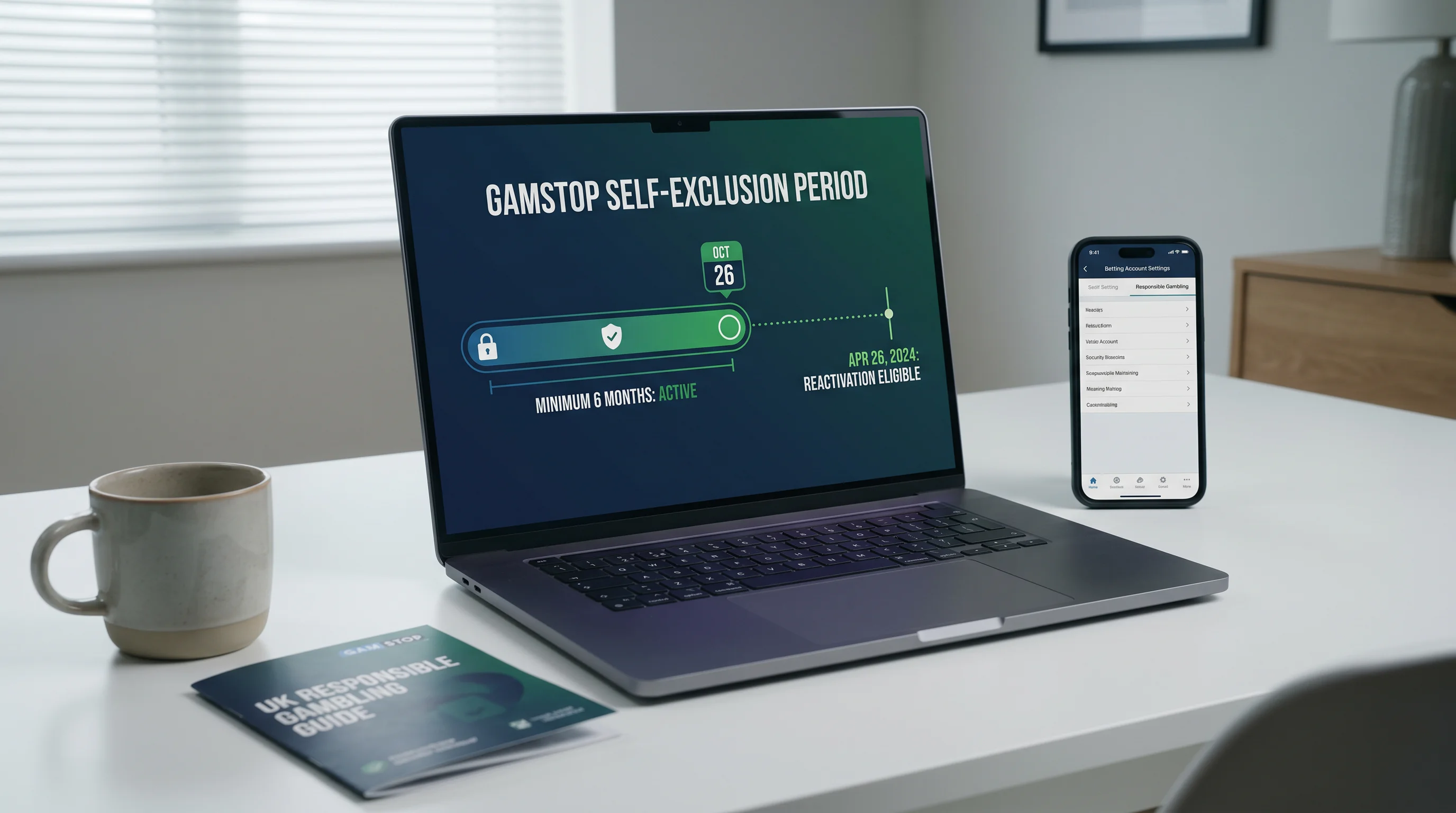
The process: once the minimum period has elapsed, you must contact GAMSTOP directly to begin the reactivation process. GAMSTOP does not automatically remove the exclusion at the end of the minimum period — the exclusion remains in place until you actively request removal. This design is deliberate: the default is continued protection, not automatic reinstatement of access.
There is a mandatory cooling-off period of seven days after a reactivation request is submitted. During these seven days, the exclusion remains active. This cooling-off period exists to give reactivating individuals an additional moment of reflection, as research suggests that the period immediately after exclusion ends is a time of elevated relapse risk.
After reactivation, GAMSTOP removes your details from the database and notifies operators. Operators then update their systems, which again takes time — typically 24 hours. After reactivation, any deposit limits, responsible gambling settings, or account restrictions you had previously agreed to with individual operators may no longer be in place, so contacting operators directly to review account settings following GAMSTOP reactivation is advisable.
Deposit Limits and Cooling-Off Periods as GAMSTOP Alternatives
For those who want to manage their Wimbledon betting behaviour without a full self-exclusion, UK operators offer several tools that can be applied at an individual account level.
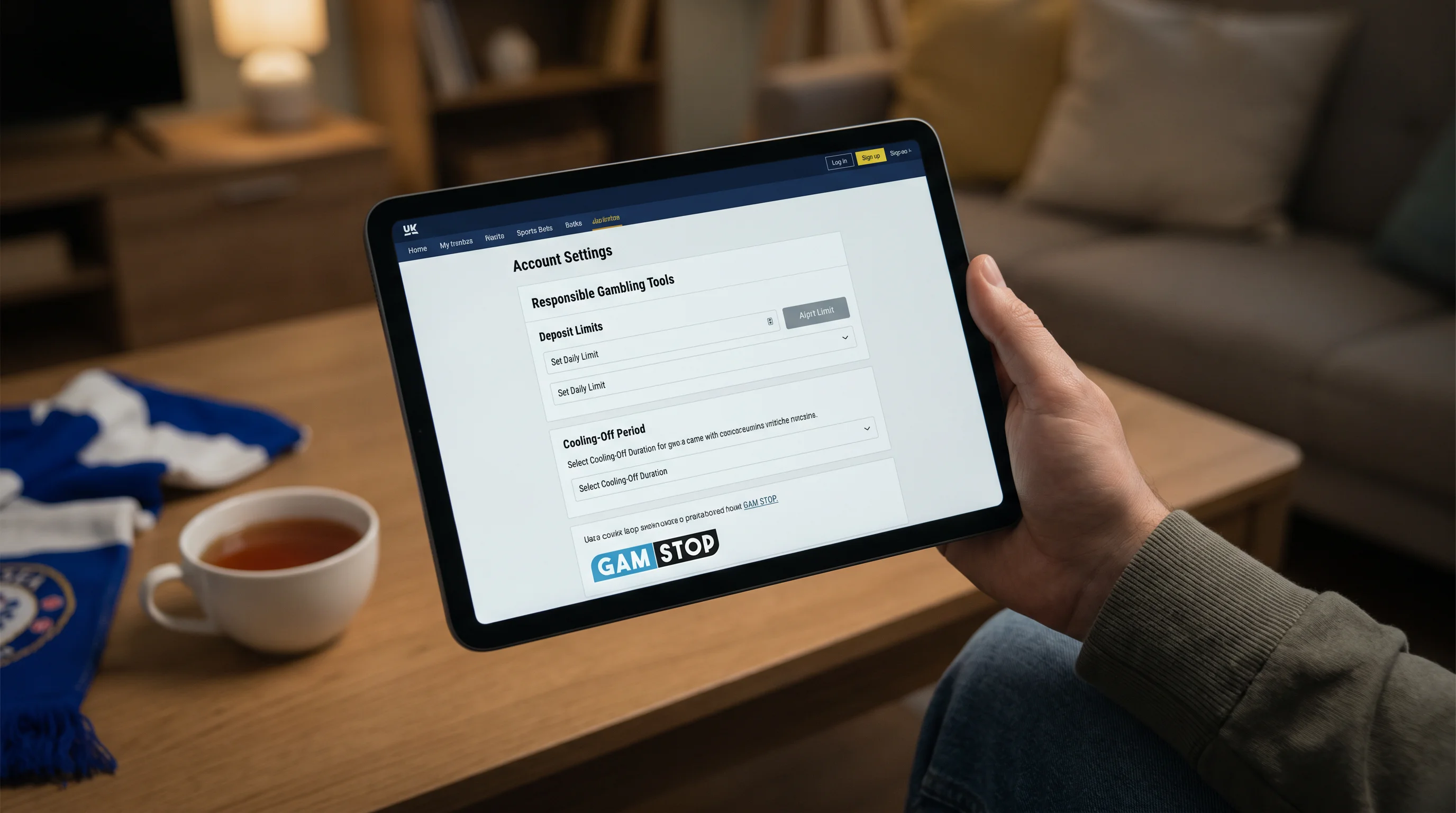
Deposit limits cap the total amount you can deposit over a daily, weekly, or monthly period. Once set, deposit limits can be reduced immediately but cannot be increased without a mandatory waiting period — typically 24 to 72 hours depending on the operator. This asymmetry — easy to tighten, deliberate process to loosen — is regulatory design intended to ensure that setting a limit is a meaningful constraint rather than an easily bypassed formality.
Cooling-off periods or “take a break” features temporarily suspend your account for a chosen period — a day, a week, or up to several months — without requiring you to go through the full self-exclusion process. These are useful for managing the specific temptation that Wimbledon’s two-week intensity can create, without the longer-term implications of a GAMSTOP registration.
Spend controls and reality checks — prompts that appear during a session showing time elapsed and net position — are available at most licensed operators as optional tools. These are lower-friction interventions suitable for monitoring rather than stopping. The full regulatory context governing all of these tools is covered in the dedicated guide to UK gambling regulation and Wimbledon betting.
Articles


Created by the "bettingonwimbledontennis" editorial team.
