
Wimbledon Betting for UK Beginners: Account Setup, Odds and Your First Stake
 Available in US
Ten percent of UK adults now bet on sports online — one in ten, placing real money on real events through their phones or computers. If you are reading this as someone who has watched Wimbledon for years but never placed a bet on it, you are in good company. The learning curve is shorter than most people assume. The mechanics of opening an account, understanding the odds, and placing your first Wimbledon bet can be covered in a single afternoon. What matters is that you understand what you are doing before you do it, rather than learning the rules from a lost bet.
Men bet on sports at nearly four times the rate of women in the UK — 15% versus 4% according to the Gambling Commission’s 2025 survey data — but the gender gap in Wimbledon betting specifically is narrowing as the tournament’s profile grows. Wimbledon is one of the few sporting events that generates genuine interest across the full demographic spectrum of UK sports fans, and that broad appeal shows in who bets on it during fortnight.
Step 1: Picking a UKGC-Licensed Bookmaker
Every legitimate online bookmaker serving UK customers must hold a licence from the UK Gambling Commission — the UKGC. This is not optional, and it is not a formality. Betting with an operator that holds a valid UKGC licence means you are protected by UK consumer regulations, including guaranteed fund segregation (your deposited money is kept separate from the operator’s operating funds), access to Alternative Dispute Resolution if a dispute arises, and protection under the Gambling Commission’s licensing conditions.

How to verify a licence: every UKGC-licensed operator must display a “Gambling Commission” statement in their website footer, typically accompanied by their licence number. You can verify any UK licence number directly on the Gambling Commission’s public register. The process takes 30 seconds and should be a standard first step before depositing any money.
Beyond the licence, the practical factors that distinguish Wimbledon-relevant operators are: the range of tennis markets offered (match betting, outright, set betting, Bet Builder, in-play); the quality of the mobile app for live betting during matches; and the availability of Wimbledon-specific promotions for new accounts. For first-time bettors, the welcome promotion at a well-rated operator can provide meaningful free bet credit that reduces the financial risk of your learning period.
Step 2: Registering and Verifying Your Account
Account registration at any UKGC-licensed bookmaker follows a standard Know Your Customer process, required by UK anti-money laundering regulations. You will need to provide: your full legal name, date of birth, home address, email address, and a payment method. The process takes five to ten minutes online.
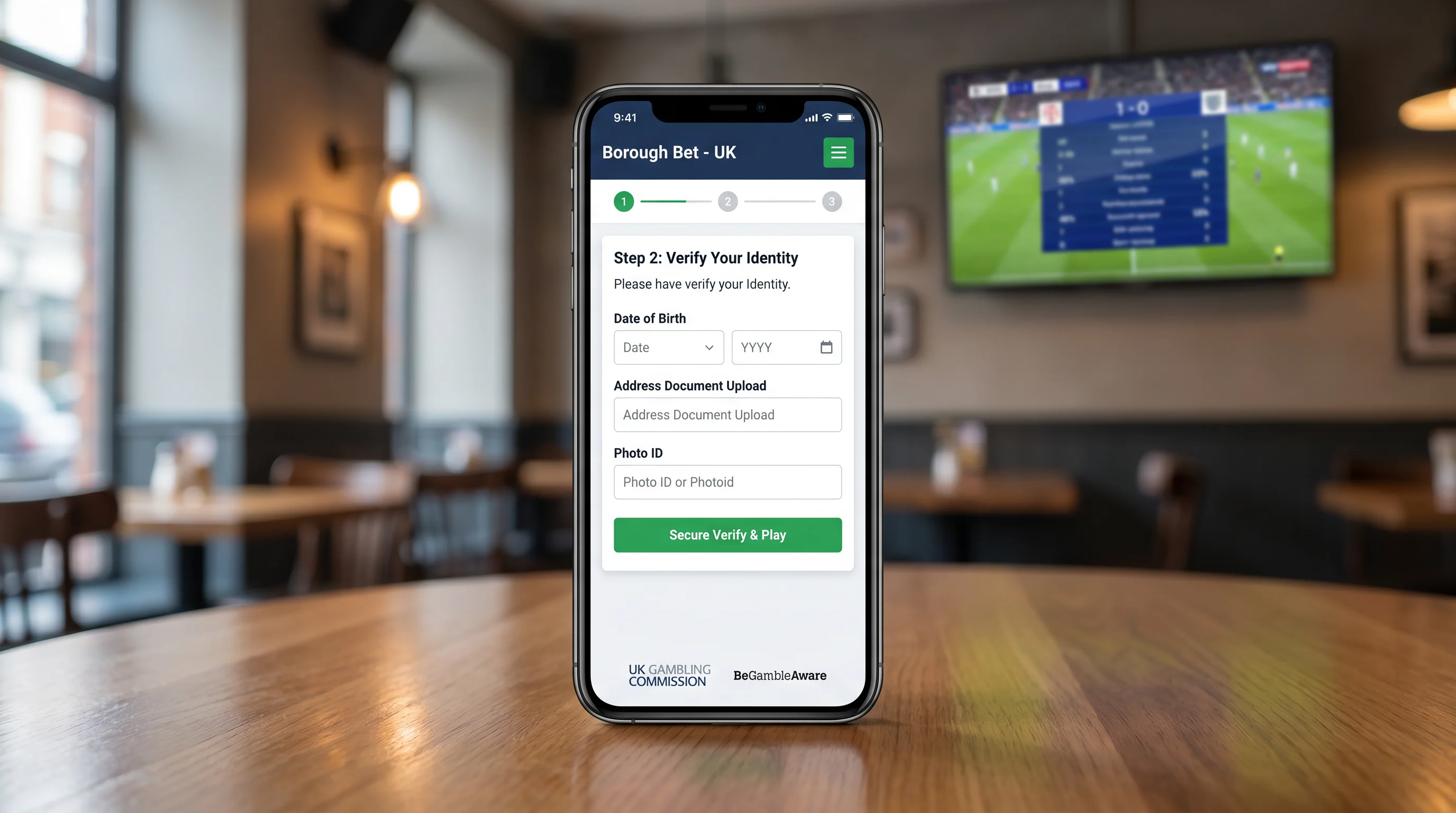
Identity verification — often called KYC — is mandatory before you can withdraw any winnings. Most operators request a government-issued photo ID (passport or driving licence) and a proof of address (utility bill or bank statement dated within three months). This verification can be completed digitally by uploading photos of the documents, and typically processes within a few hours during business days. Completing verification before you place your first bet is strongly advisable — it avoids any delay when you want to withdraw a winning, and ensures your account is fully active for the duration of Wimbledon fortnight.
The affordability check — introduced as part of the 2025 Gambling Act reforms — means some operators may contact you to confirm your financial circumstances if your spending exceeds certain thresholds. For a first-time bettor placing typical stakes of £5 to £50, this is unlikely to affect your experience. But knowing it exists means you will not be surprised if an operator asks for additional information during your Wimbledon betting.
Step 3: Placing Your First Wimbledon Bet
Fractional odds are the UK standard for tennis betting, and understanding them is the minimum required knowledge before placing a bet. The fraction expresses profit relative to stake: 6/4 means you profit £6 for every £4 staked, for a total return of £10. Evens (1/1) means you double your stake. 4/6 (odds-on) means you stake £6 to profit £4 — the bookmaker’s implied probability for this player winning is above 50%.

For your first Wimbledon bet, a simple match bet is the logical starting point. Choose a match you have some knowledge of — ideally a high-profile singles match in the second week where you have watched the players involved and have a view on the likely winner. Pick a stake that you are comfortable losing entirely, because betting involves genuine risk and some bets lose. Most first-time Wimbledon bettors stake between £5 and £10 on their initial bets, which is a sensible level for learning.
To place the bet: navigate to the Tennis section on your operator’s platform, find the Wimbledon event, select the match, and click on the odds for the player you want to back. This adds a selection to your bet slip. Enter your stake in the bet slip, confirm the total return if the bet wins, and confirm the bet. The money is deducted from your account balance immediately; if your selection wins, the return is credited to your balance once the match is settled (usually within minutes of the final point).
Men wager more frequently and at higher stakes than women, but there is no evidence that starting smaller or being more cautious produces worse long-term outcomes. The habit of treating each bet as a structured decision — looking at the odds, converting to implied probability, assessing whether that matches your view — is more important than any specific stake level.
Five Mistakes First-Time Wimbledon Bettors Make
The first is backing players purely on name recognition. Novak Djokovic, Carlos Alcaraz, Iga Swiatek — these are the names most casual observers know, and they attract recreational money that can compress their prices below fair value. A household name at odds-on does not automatically represent a good bet; the question is always whether the implied probability justifies the price.


The second is betting on matches without checking the surface record. Wimbledon is the only grass Grand Slam. A player who dominates on clay may struggle on grass, and vice versa. Ignoring surface-specific form is the single most common analytical error among first-time Wimbledon bettors.
The third is chasing losses. If your first two bets lose, increasing your stake on a third bet to “recover” is not a strategy — it is emotional decision-making. Set a daily or weekly budget before Wimbledon begins and treat it as the maximum exposure, not a target to manage back to zero.
The fourth is not understanding the withdrawal process before you win. A common frustration is placing a winning bet and then discovering that the winnings are subject to wagering requirements from a bonus you accepted. Understanding your operator’s withdrawal terms before you place your first bet avoids this disappointment.
The fifth is betting on too many matches simultaneously during peak days at Wimbledon. Day six and day seven of Wimbledon are the busiest days for match play — dozens of matches across multiple courts. The temptation to bet on multiple matches because they are all available simultaneously is strong. The analytical quality of your decisions drops when you are assessing eight matches instead of two. Focus and selectivity produce better outcomes than volume.
“High interest in betting around Wimbledon is encouraging,” Richard Moffat of OLBG noted in 2025, adding that what stands out is the “informed, statistically grounded approach” among UK Wimbledon bettors. Starting with an informed approach — this guide, combined with the operator selection resources at UKGC-licensed bookmakers for Wimbledon — puts you ahead of the average first-timer from day one.
Frequently Asked Questions
Articles




Written by the editors at bettingonwimbledontennis.
